

Power Flushing: What It Is and the Signs Your Heating System Is Begging for One
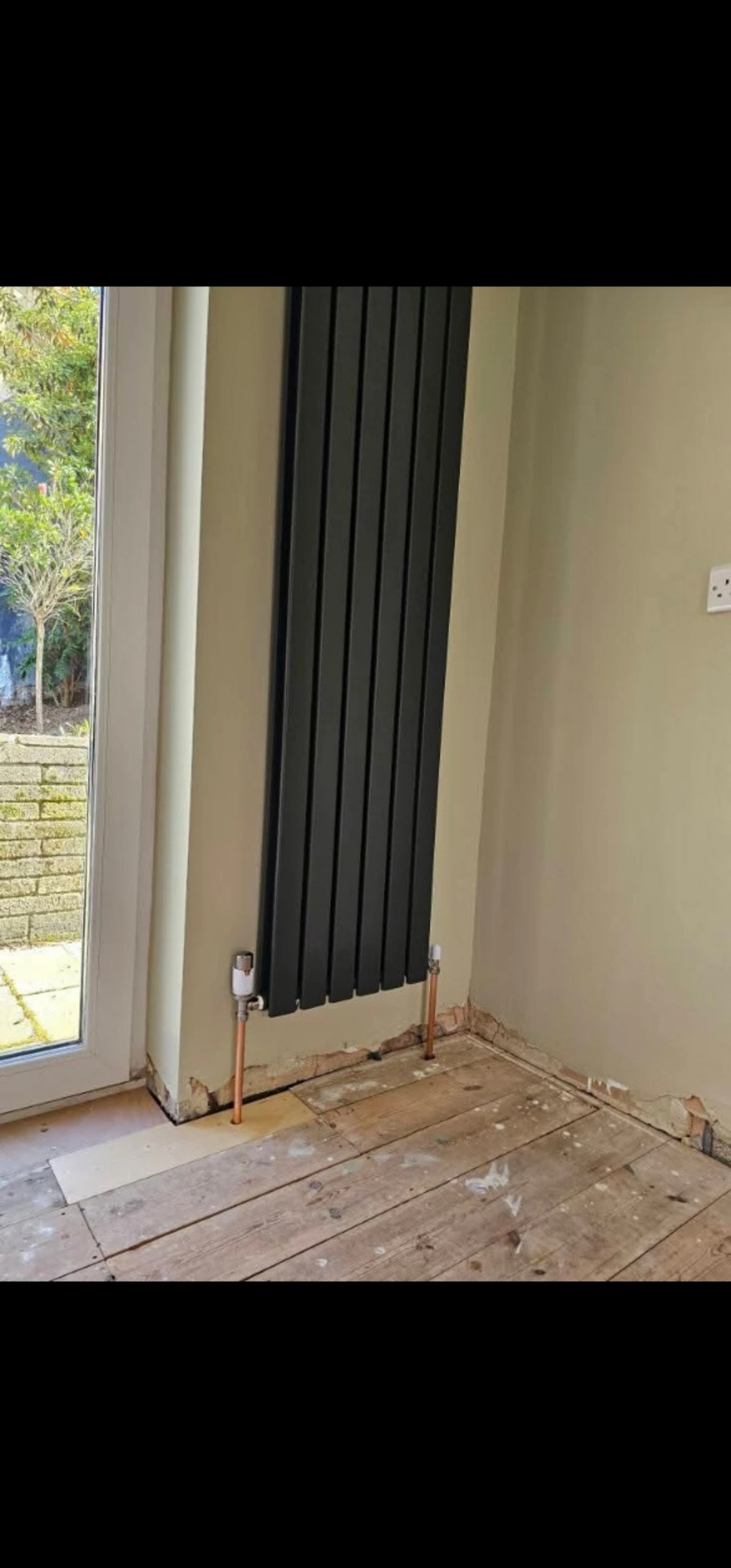
Over years, the inside of your radiators and pipework slowly fills with magnetite sludge — rust and scale circulating round and round. It settles at the bottom of radiators, clogs valves and makes your boiler work harder to push water around a system that's slowly silting up.
The classic signs: radiators cold at the bottom but hot at the top, some rooms never getting warm, a boiler that bangs, kettles or keeps overheating and locking out, and higher gas bills for the same warmth. If your radiators need bleeding more than once a year, that's sludge too.
A power flush connects a high-velocity pumping machine to your system and drives cleaning chemicals through every radiator and pipe, dislodging years of sludge and flushing it out. We then add inhibitor to slow it coming back. Most systems take around half a day and the difference is usually immediate — even heat, quieter boiler, lower bills.
Is it worth it? If you're fitting a new boiler onto an old system, a flush is essential — sludge will kill a new boiler's heat exchanger and can void the warranty. For older systems showing the signs above, it's the cheapest way to get years more life out of what you have.
Teign Gas power flushing starts from £350 depending on system size, across Exeter, Torbay and South Devon. Book online or send us a WhatsApp for advice.
Need a hand? Fixed prices, online booking, and a Gas Safe engineer at your door across South Devon.
Book onlineMore from the van
Why Your Boiler Needs an Annual Service (And What Happens If You Skip It)
March 20265 Warning Signs Your Boiler Is About to Break Down
February 2026Dripping Tap to Blocked Loo: When to DIY and When to Call a Plumber
January 2026Heat Pumps in South Devon: What We Fit, What We Service, and Whether One Suits Your Home